
Centro Histórico San Salvador: A Walk Through the Capital’s Past and Present
Discover the vibrant historic center of San Salvador, where history and culture intertwine. Begin your visit at the iconic Plaza Barrios, surrounded by the majestic National Palace and the Metropolitan Cathedral. Explore museums, markets, and cafés in a safe and welcoming atmosphere.
Edgar Marroquin
3/15/202610 min read
Beginning at Plaza Barrios
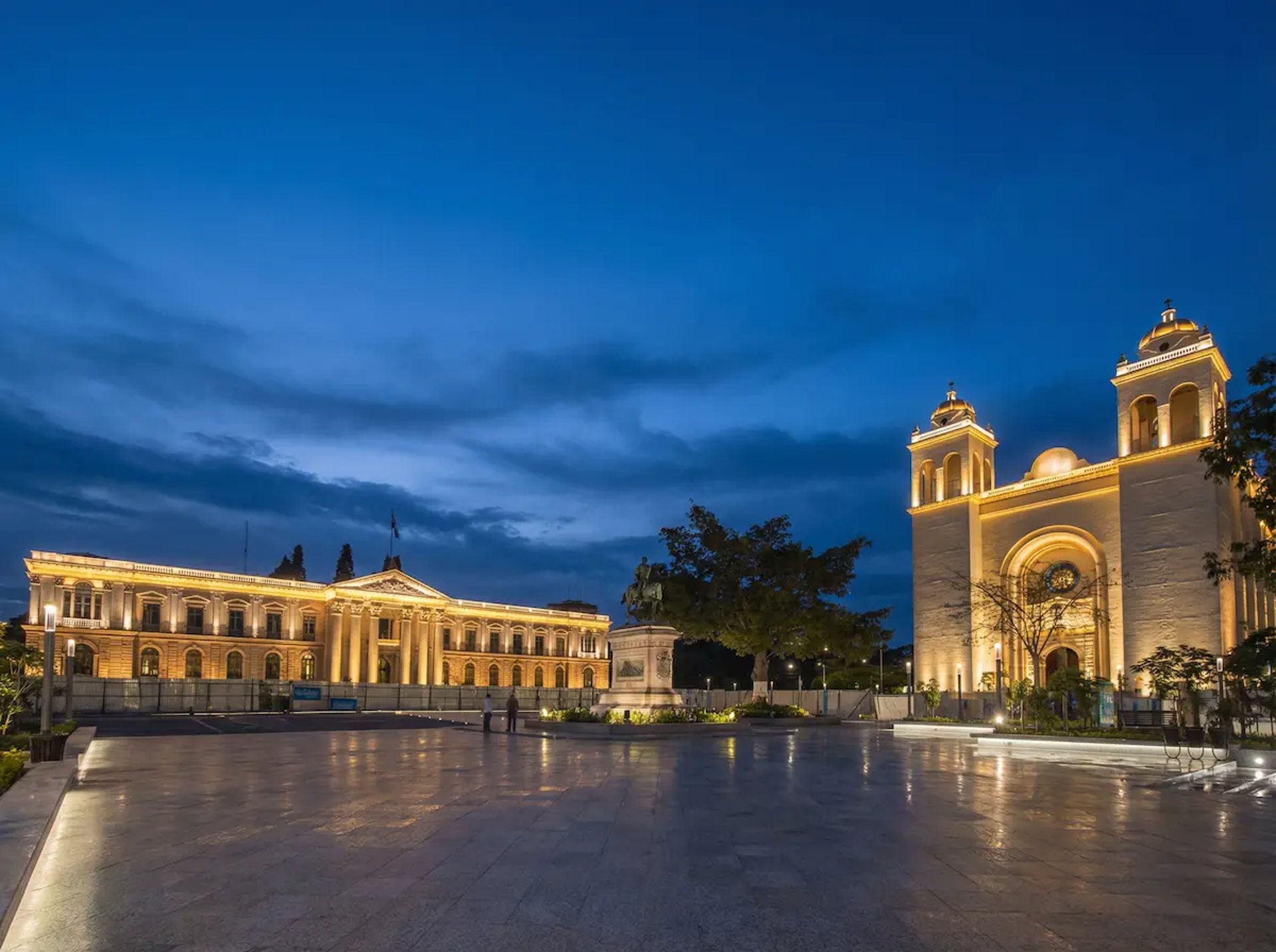
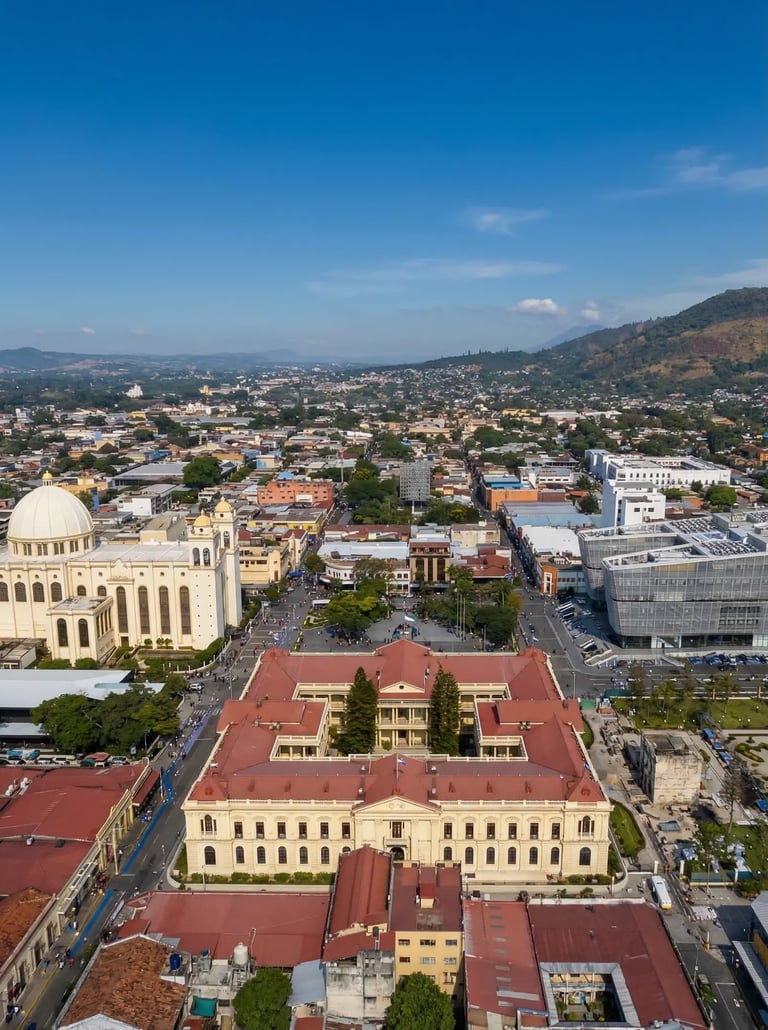
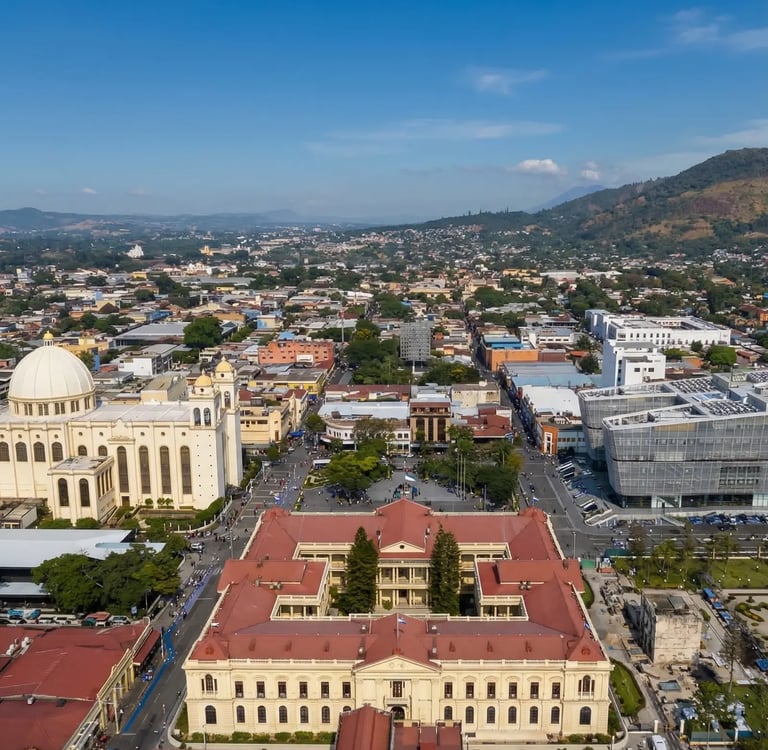
Many visits naturally begin at Plaza Barrios, one of the most recognizable public spaces in the city. The plaza forms the historic civic center of San Salvador and is surrounded by some of the most important buildings in the country.
The most imposing structure here is the Palacio Nacional, a neoclassical building that once housed the central functions of government. Its long corridors and interior courtyards reflect a period when architecture was designed to project stability and institutional confidence. Today the palace is open to visitors and offers guided tours that explore its political and architectural history. One detail that surprises many travelers is the schedule. The building remains open until midnight most days except Monday, allowing visitors to experience the structure both during the day and after sunset when the façade is illuminated.
This late-night accessibility is perhaps the strongest symbol of the city's new reality; a few years ago, being in this plaza after dark was unthinkable. Now, the plaza fills with people enjoying the cooler evening air in total safety. Immediately next to the National Palace stands the Metropolitan Cathedral, another defining landmark. Across from both buildings sits BINAES, the Biblioteca Nacional de El Salvador. Its modern design contrasts sharply with the surrounding historic architecture, yet it has quickly become one of the most active public spaces in downtown.
A Short Walk to Plaza Morazán
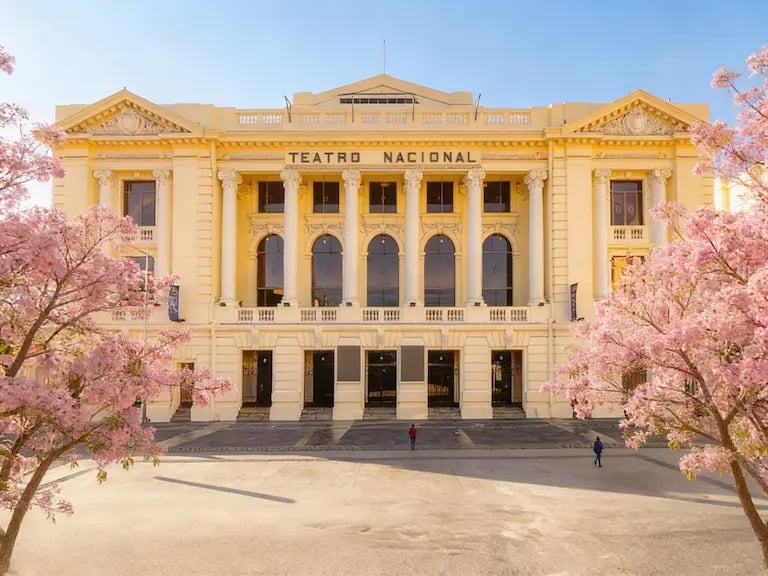
From Plaza Barrios it is an easy walk through the surrounding streets to Plaza Morazán. While Plaza Barrios reflects the civic side of the capital, Plaza Morazán feels more connected to culture and the arts. At its center stands the National Theater of San Salvador, widely considered one of the most beautiful historic buildings in the country.
The theater reflects the European architectural influence that shaped many cultural buildings in Central America during the early twentieth century. Throughout the day the plaza fills with people meeting friends, crossing the square on errands, or pausing in the shade. This casual, everyday movement is the result of a massive shift in security. It’s not uncommon to see elderly men playing chess in the corner of the plaza or students practicing dance moves—activities that have returned to the public square only recently.
Artisans and Salvadoran Craft
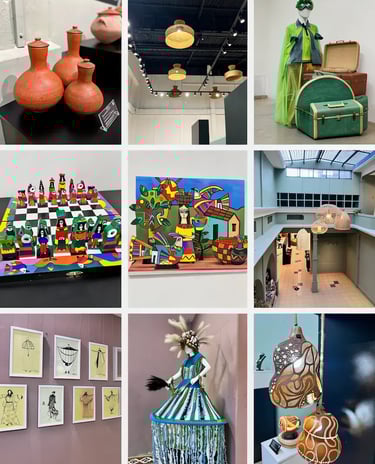
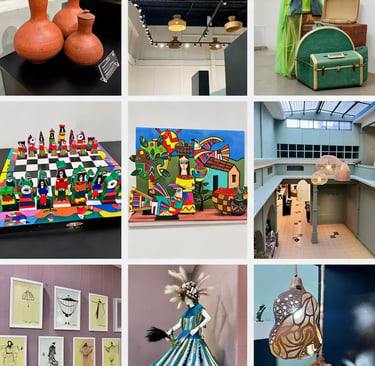
Another meaningful stop nearby is the Centro de Desarrollo Artesanal Interactivo (CEDART). This cultural space is dedicated to Salvadoran artisans and traditional craft. For visitors interested in understanding Salvadoran culture beyond monuments and architecture, the center offers insight into the techniques, materials, and regional traditions that define the country’s craft heritage.
It adds an additional cultural layer to a visit and highlights the importance of artisan work within Salvadoran identity. You’ll find interactive displays, virtual reality simulators where you can "try" artisan trades, and a gallery showcasing the Premio Nacional de Artesanías. It is a place where you can see how ancient traditions are being adapted by modern designers to keep the craft alive.
Iglesia El Rosario
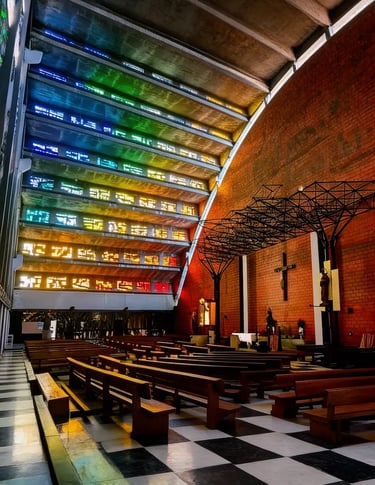
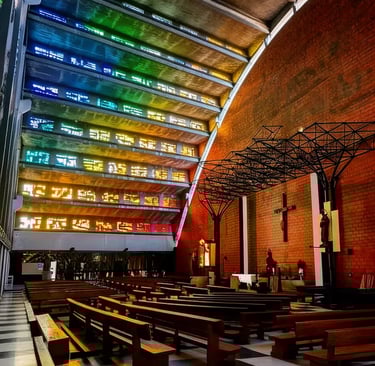
Just a few minutes’ walk from the surrounding plazas stands one of the most unusual buildings in the historic center. From the outside, Iglesia El Rosario appears almost understated. The curved concrete exterior gives little indication of what awaits inside, and many visitors pass the building without realizing how remarkable the interior is.
Stepping inside changes everything. Designed by Salvadoran sculptor and architect Rubén Martínez, the church broke from traditional cathedral architecture and remains one of the most distinctive religious spaces in the country. Martínez used a single-span arched structure without internal columns to create an open, inclusive space.
Bands of stained glass run along the curve of the structure, allowing colored light to filter across the interior as the sun moves throughout the day. The effect is calm and contemplative rather than monumental. You’ll also find Martínez’s own wrought-iron sculptures, including a striking Stations of the Cross. Visitors often find themselves sitting quietly for several minutes, watching the shifting colors move across the floor and walls.
Casa Bou and the Commercial Memory of the City
The Centro Histórico was not only the civic center of San Salvador. It was also the commercial heart of the capital. A century ago the surrounding streets were filled with storefronts, trading houses, and import businesses. Walking along Calle Rubén Darío today, traces of that commercial past remain visible in the façades that still line the street.
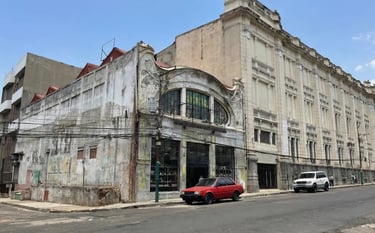
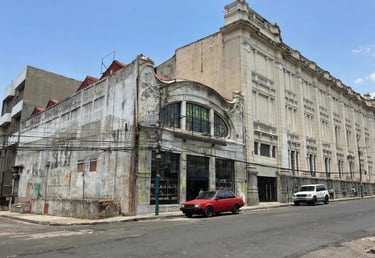
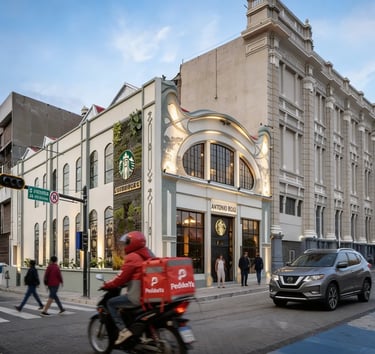
One of those buildings is Casa Bou. The structure originally housed Almacén Bou, an important downtown store that once formed part of the everyday commercial life of the city. Like many buildings in the historic center, it eventually fell into decline as businesses and shoppers moved to newer districts.
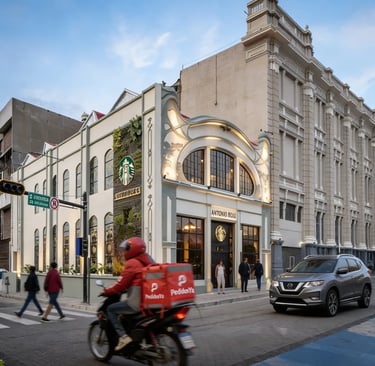
Today the building has entered a new chapter. Rather than demolishing the structure and replacing it with something new, the restoration preserved the historic architecture and adapted the interior for contemporary use. The building now houses Casa Bou Starbucks, a flagship location that incorporates Salvadoran artwork and design elements into the space. The restoration preserved the original metal skylight and ornamental moldings while integrating modern elements like handcrafted wood furniture and stained-glass panels by Margarita Llort that narrate the journey of coffee. The goal is not simply to modernize the district, but to allow historic architecture to remain part of the city’s everyday life.
.BINAES and a Modern Cultural Landmark
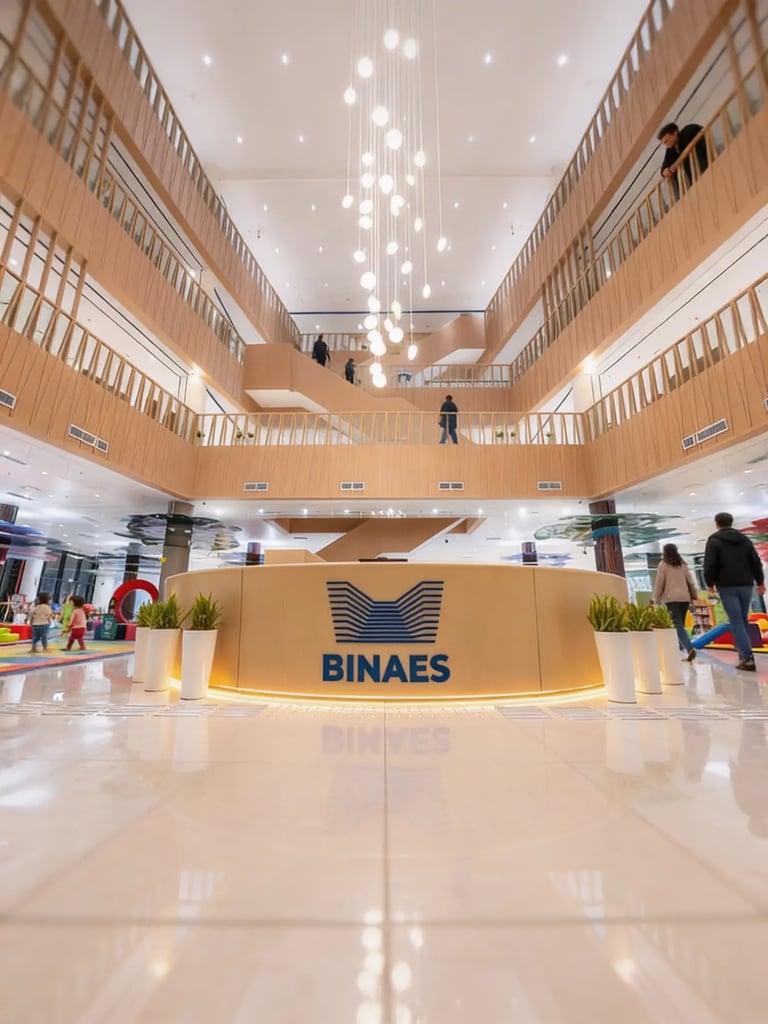
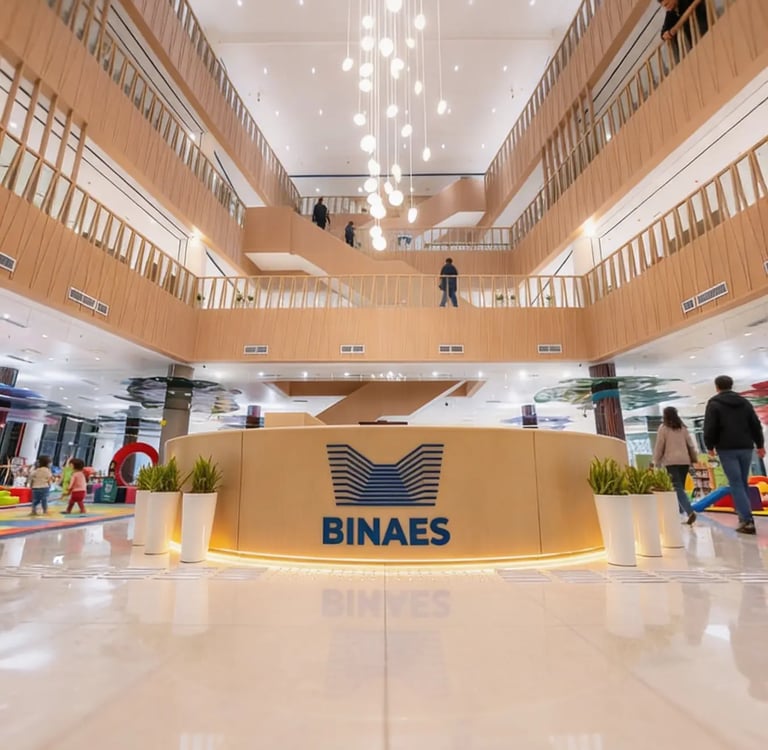
Just steps from Plaza Barrios stands BINAES, the National Library of El Salvador. The modern architecture contrasts with the surrounding historic façades, yet the building has quickly become one of the most visited cultural spaces in the country and a symbol of the broader revitalization of downtown.
Inside visitors will find multiple reading rooms, study spaces, exhibition areas, and quiet corners where students spend hours working or reading. One unusual feature is that the library operates twenty-four hours a day, making it a gathering place for students and visitors at nearly any hour—a level of freedom and security that was non-existent in this part of the city just a few years ago.
The upper levels include a curated art gallery that hosts rotating exhibitions, adding another cultural layer to the experience. Visitors should also head to the terraces, which offer some of the best 360-degree views of the Metropolitan Cathedral and the National Palace from above.
New Public Spaces Near the Historic Center
The transformation of downtown San Salvador is not limited to historic landmarks. Several newer public spaces have also been developed near the historic core.
Plaza Universitaria: A contemporary plaza designed as a gathering space for students, visitors, and residents. In addition to shaded seating areas and open public space, the plaza includes a variety of small places to eat and drink, making it an easy stop for coffee, snacks, or casual meals. One of its most recognizable features is a classic-style carousel, which adds a playful, nostalgic element and has quickly become a favorite for families visiting the area.
Jardín Centroamérica: Nearby Jardín Centroamérica adds another landscaped public space to the district. Inspired by the formal symmetry of the Gardens of Versailles, the park features a large reflecting pool that serves as a calm visual centerpiece. Its name is a tribute to regional unity; the garden features an installation of 14 flags representing the nations of Central America and the Caribbean, symbolizing a spirit of brotherhood and solidarity. It offers a quieter place to pause while exploring the surrounding streets.
Plaza Simón Bolívar: Also within the historic center is Plaza Simón Bolívar, which recently reopened after a two-year renovation. The restored plaza adds another public gathering space to the network of plazas that now connect many of the historic landmarks in downtown.
Markets and the Changing City
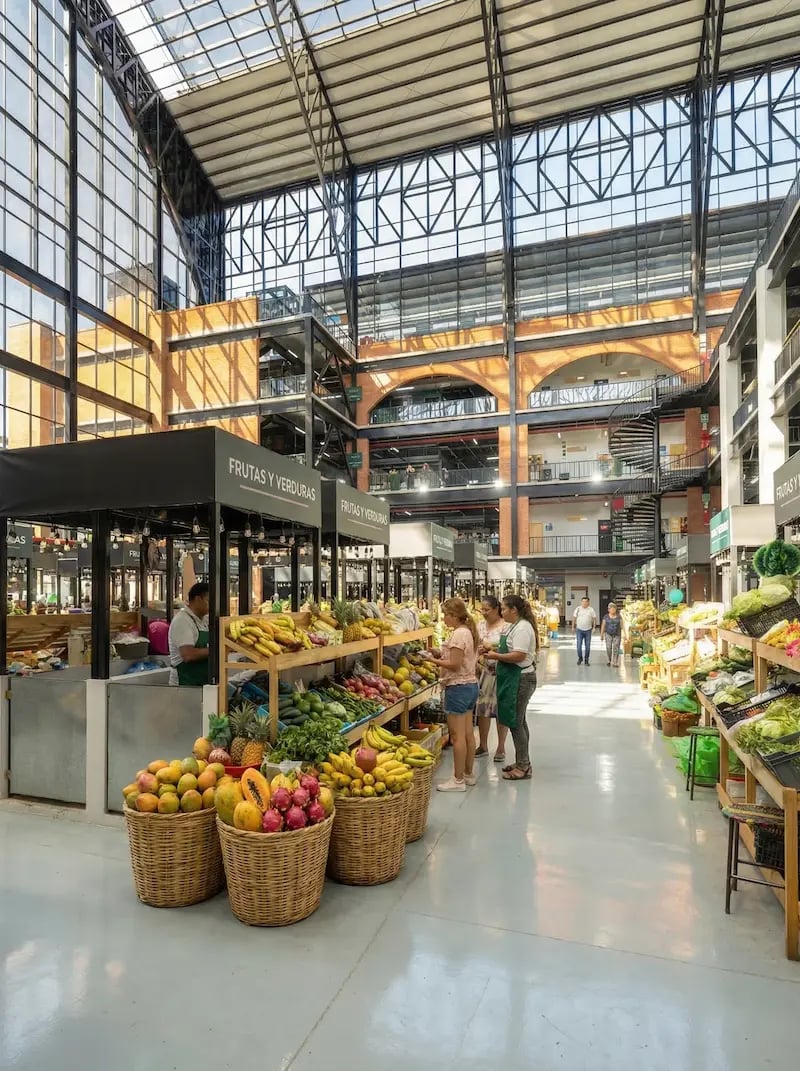
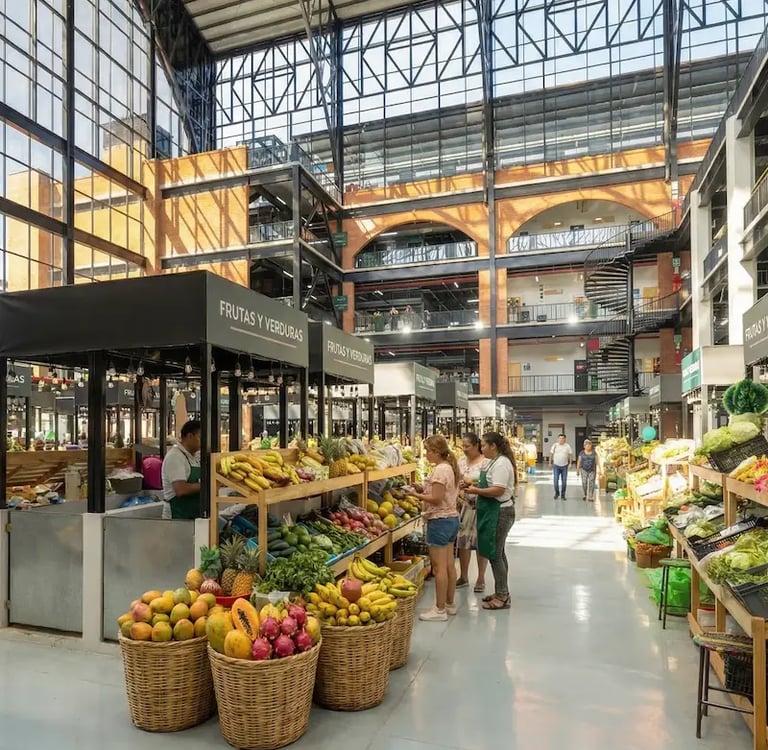
Markets have always been part of daily life in downtown San Salvador, and they remain an important part of the area today.
Mercado Hula Hula, one of the first markets to be modernized, reopened in 2022 and is now one of the busiest commercial spaces in the historic center. It includes several levels of parking, making it a convenient place to leave a car while exploring. Another important site is Mercado San Miguelito, located about 1.5 kilometers from the historic core. Two full floors of the building are dedicated to food stalls where visitors can find pupusas, grilled meats, and fresh juices. At the top of the building is an open rooftop level with broad views across the surrounding city.
These markets also reflect the broader transformation of the district. In the past, sidewalks and streets in parts of downtown were crowded with informal vending and controlled by criminal groups that extorted vendors. In recent years many vendors have moved into organized market spaces, while streets have been repaved and public areas improved. Reclaiming these streets from gang control is the single most important factor in the Centro’s rebirth. The result is a district that feels significantly more open and walkable than it did only a few years ago.
Restaurants and Nightlife
The Centro Histórico offers a wide range of places to eat and drink, from casual street food and market stalls to cafés, traditional restaurants, and more refined dining options.
La Doña: One of the more refined dining options in the district, a steakhouse known for its terrace, attentive service, and strong wine program. Its terrace has become a nightlife reference, offering panoramic views of the illuminated downtown.
Basilico: Inside BINAES, the Italian restaurant Basilico offers a relaxed place to stop for coffee or a meal while exploring downtown.
Cha Cha Cha: Brings Cuban flavors, music, and a vibrant bar environment to the area.
Club Social La Dalia: Founded in the late nineteenth century and rebuilt in 1915, the building has long been part of the social life of downtown San Salvador. Over the decades it has served as a gathering place for artists, writers, musicians, and regular patrons of the historic center. Today it remains the city's premier billiard hall and a cultural meeting place where visitors find live music and balcony views toward Plaza Libertad.
A Walk Through the Capital’s Past and Present The Centro Histórico of San Salvador
The historic center of San Salvador sits only a short distance from Santa Tecla, yet it feels like stepping into a different chapter of the city. From Ipan Noya Boutique Hotel, the drive into downtown usually takes about twenty to thirty minutes and costs around five or six dollars by Uber. It’s close enough to visit easily, yet distinct enough that arriving in the Centro feels like entering the historic heart of the capital.
Santa Tecla is calm and residential. The Centro Histórico is the opposite. It is the civic, cultural, and historic heart of the capital. Most visitors explore the Centro Histórico on foot. The main landmarks are concentrated within a relatively compact area that can comfortably be explored over the course of half a day, though many travelers find themselves staying far longer as they begin discovering the district’s plazas, museums, markets, and cafés.
For years, the story of the Centro was one of abandonment. It was a place most people, locals and travelers alike, simply did not go. Today, that has fundamentally changed. The district has been reclaimed, and for the first time in decades it is truly safe to walk these streets. For visitors who want to understand San Salvador beyond beaches and volcano views, this is where the story of the city becomes visible.
Beyond the Core
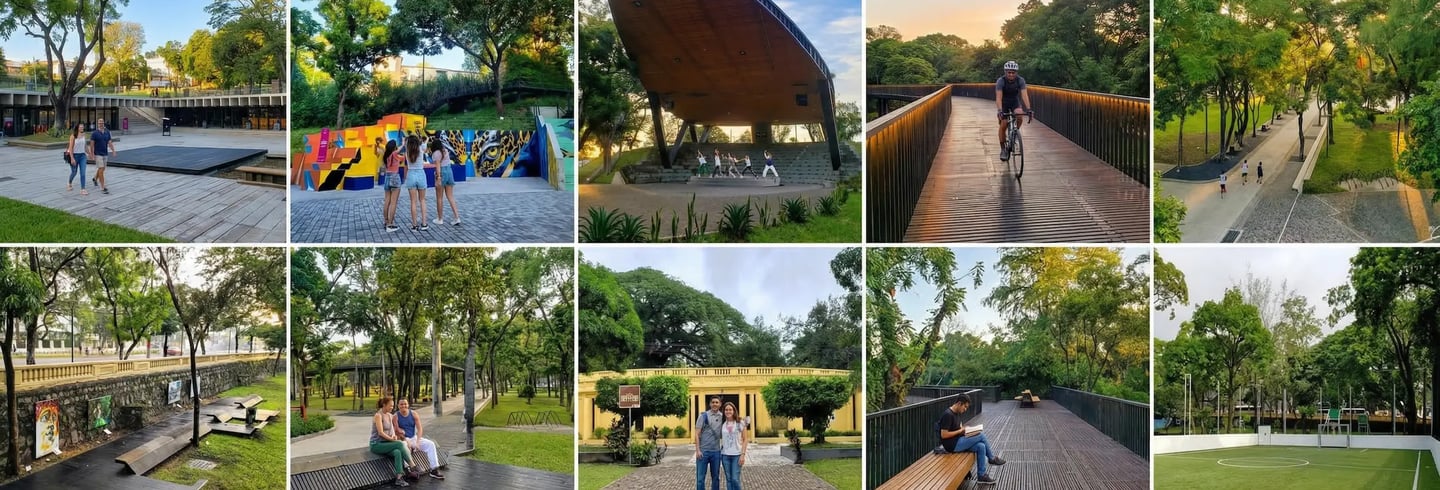
The park underwent a massive, multi-million dollar revitalization in 2019, transforming it from a neglected, often dangerous space into what is now considered the most modern urban park in Central America. The design—a collaboration involving firms like Machado and Silvetti—focuses on "transparency" and light. Elevated walkways (pasarelas) like the "Conacaste" and "Maquilishuat" cut through the canopy, allowing you to walk among the trees and look down over the park’s rhythmic landscaping.
But the park is more than just beautiful design; it is a place of profound gravity. On its eastern edge stands the Monumento a la Memoria y la Verdad (Monument to Memory and Truth). This 85-meter-long wall of black granite is engraved with the names of over 25,000 victims of the country's civil war. It is a haunting, silent space where families still come to leave flowers or trace the names of lost loved ones. It is a powerful reminder of the cost of the peace that the city is now enjoying.
For families, the park is an anchor for the Museo Tin Marín, the city's premier interactive children’s museum, and it sits adjacent to the Sala Nacional de Exposiciones "Salarrué", a key contemporary art space. Whether you are there to see the amphitheater where global events like Miss Universe have been hosted, or simply to watch the hundreds of families enjoying a safe afternoon in a space that was off-limits for a generation, Parque Cuscatlán is the ultimate proof of San Salvador's rebirth.
Closing
Walking through the Centro Histórico today offers a glimpse of a city that has fought hard to rediscover its own center. Plazas that were once avoided are now active with students, families, and travelers. Historic buildings that once seemed frozen in time are slowly finding new roles, blending the architecture of the past with a safe, modern reality.
Within just a few walkable blocks, the historic center reveals the layers of San Salvador’s story — political, cultural, commercial, and everyday life unfolding in the same streets. For those staying at Ipan Noya Boutique Hotel, the contrast is perfect: you spend the day immersed in the beautiful intensity of the reclaimed capital, only to return to the quiet hills of Santa Tecla. The Centro Histórico is a place of memory, but more importantly, it is proof of what is possible when a city becomes safe again.
Reservations
+503 7290-1800
info@ipannoya.com
8 Calle Ote. & 15 Avenida Sur, Santa Tecla, La Libertad Sur


Information